
Pursuant to the provisions of Dahir bearing law No. 1-93-51 of 22 Rabia I 1414 (10 September 1993) establishing the urban agencies, and Decree No. 2-93-67 of Rabia II 1414 (21 September 1993) issued for the application of the aforementioned Dahir bearing law, and Decree No. 06-02-166 (19 October 2006) relating to the creation of the Urban Agency of Khémisset, the latter comprises, in addition to one mission officer and one IT service directly attached to the director, 2 departments and one division:
The Department of Studies and Topography.
The Department of Urban Management and Regulation.
The Administrative and Financial Affairs Division.
The Urban Agency of Khémisset is a public institution endowed with legal personality and financial autonomy, and falls under the supervision of the Ministry of Land Use Planning, Urban Planning, Housing and City Policy.
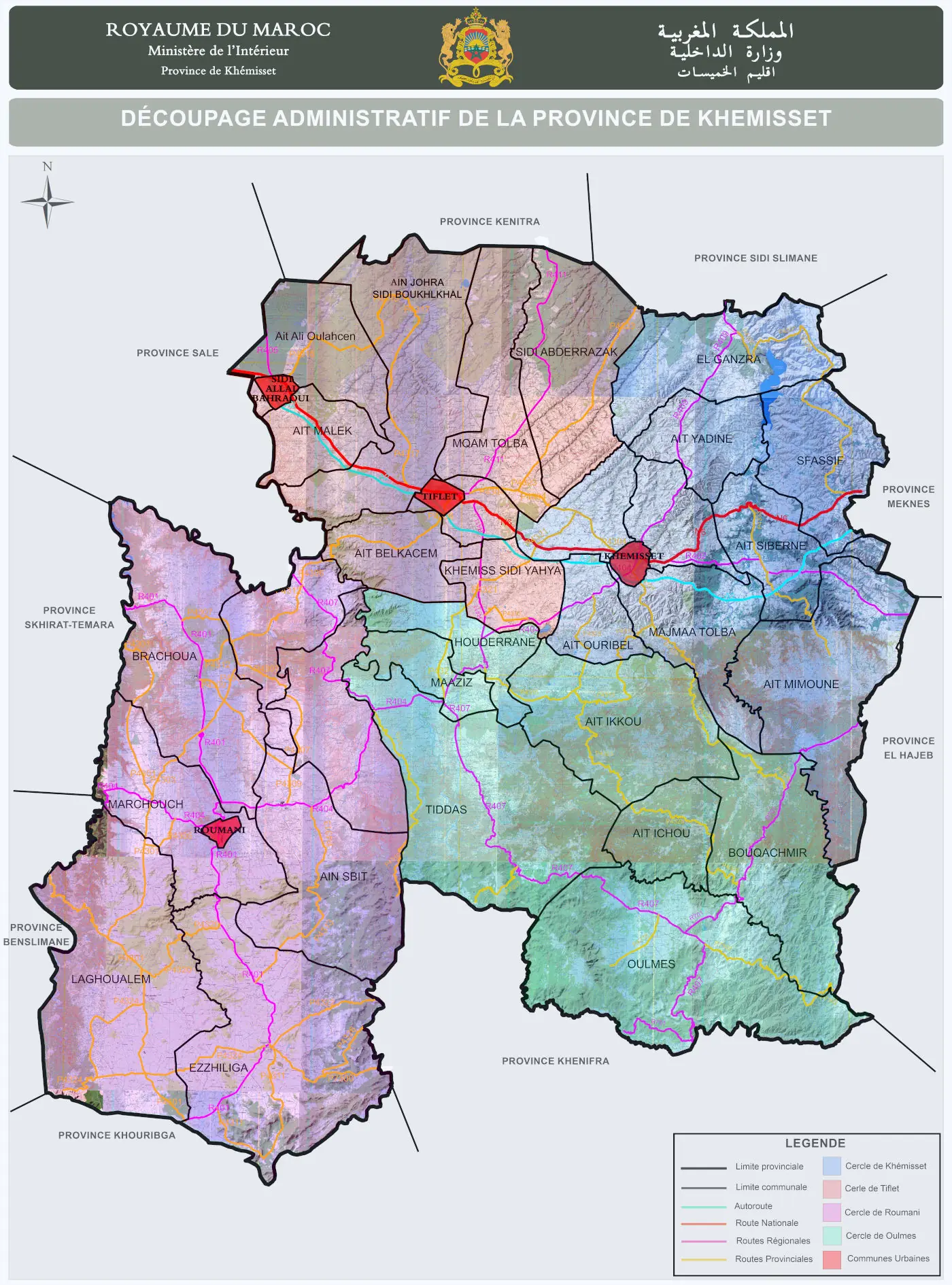
The territorial jurisdiction of the Urban Agency of Khémisset is the Province of Khémisset.
It was created by the Dahir of 13 August 1973. It is part of the Rabat-Salé-Kénitra Region, it extends over an area of 7,783.5 km² of the central plateau, thus representing about 80% of the Region's area. The provincial population is around 541,025 inhabitants according to the 2014 RGPH.
The province has an urbanization rate of 51.8%. It is bordered by:
The Prefecture of Meknès to the East.
The Prefecture of Salé and the Province of Benslimane to the West.
The Province of Kénitra to the North.
The Provinces of Khénifra and Khouribga to the South.
The limits of the territory of the Agence Urbaine de Khémisset are the same as those of the Province of Khémisset, and are as follows:
| Distribution of the establishment's civil servants by category | ||||||
|---|---|---|---|---|---|---|
| Director | Out of frame | Senior Officer | Officer | High supervision | Supervisory agent | |
| Number of civil servants | 1 | 11 | 16 | 9 | 6 | 2 |
| Sum | 45 | |||||
| Supervision Rate | 83% | |||||
This list was finalized on 31/12/2022
As part of the efforts made for the territorial development of the province of Khémisset, and in order to ensure the satisfaction of the customers and partners of the Urban Agency, it was decided to migrate the establishment's quality management system to the new version of the international standard ISO 9001 version 2015. Consequently, the Management commits to:

Devoting the necessary resources to establish, implement, maintain and continuously improve the new quality management system, in accordance with the requirements of the ISO 9001-2015 standard.
Establishing the necessary conditions for collective buy-in and commitment within the Agency so that the continuous improvement and sustainability of the new QMS are ensured, through the implementation of communication and training plans dedicated to this objective.
The Agency's new quality policy is the local translation of the strategy of the Ministry of National Territorial Planning, Urban Planning, Housing and City Policy, of the government's orientations in terms of good governance and modernization of the public Administration, as well as of the Moroccan Code of Good Governance Practices for public enterprises and establishments. To this end, this policy sets itself the following major areas as priorities:
The development of a comprehensive and integrated vision of the future urban extensions of agglomerations, in particular by generalizing the coverage of the territory of intervention of the Urban Agency of Khémisset with a new generation of urban planning documents that are innovative, flexible in their implementation and make the dimension of territorial sustainability a major objective to be achieved.
The understanding of the specificities of the Agency's intervention territory, in particular the problem of construction in rural areas and in general the urban planning and construction problems encountered by local actors, investors and citizens, and the proposal of relevant, anticipatory and corrective solutions, in compliance with the laws and regulations in force.
The elevation of the Agency to the rank of an essential planning, consulting and expertise entity at the local level, through the development of the Agency's own competencies and the resort to producing urban planning documents in-house, in order to address the shortage recorded in the field of urban planning expertise and also to constitute a force of proposal capable of providing help and assistance to local decision-makers.
The modernization of the Institution, particularly through the development and progressive implementation of an information system, to make it, in the long term, a management tool capable of effectively supporting the Agency's strategy, and also through the efficient management of documentation by implementing an electronic and physical archiving system compliant with the legislation in force at the national level and with the requirements of international standards.
The implementation of an external and internal communication plan for greater awareness, engagement and information of local stakeholders and the Agency's staff.
The leading of change within the Agency by instilling the spirit of positive change at all levels, in a flexible and progressive manner, through supervision and training, listening and dialogue, as a mode of daily administrative management, and also through the improvement of the overall work environment.
To achieve this, the axes of this quality policy must be understood, shared and accepted by all in order to identify dysfunctions and eliminate them sustainably, and thereby enable the Agency's clients and partners to benefit from the progress made, because a quality approach is above all an approach of progress.
Nevertheless, the Quality Management System is everyone's concern, and the commitment of all process owners is the guarantee of its success within the Agency. This is why all managers as well as all staff are strongly requested to maintain a constant mobilisation in this regard.
Organizational chart of the Urban Agency of Khémisset taking effect as of 14 June 2007.
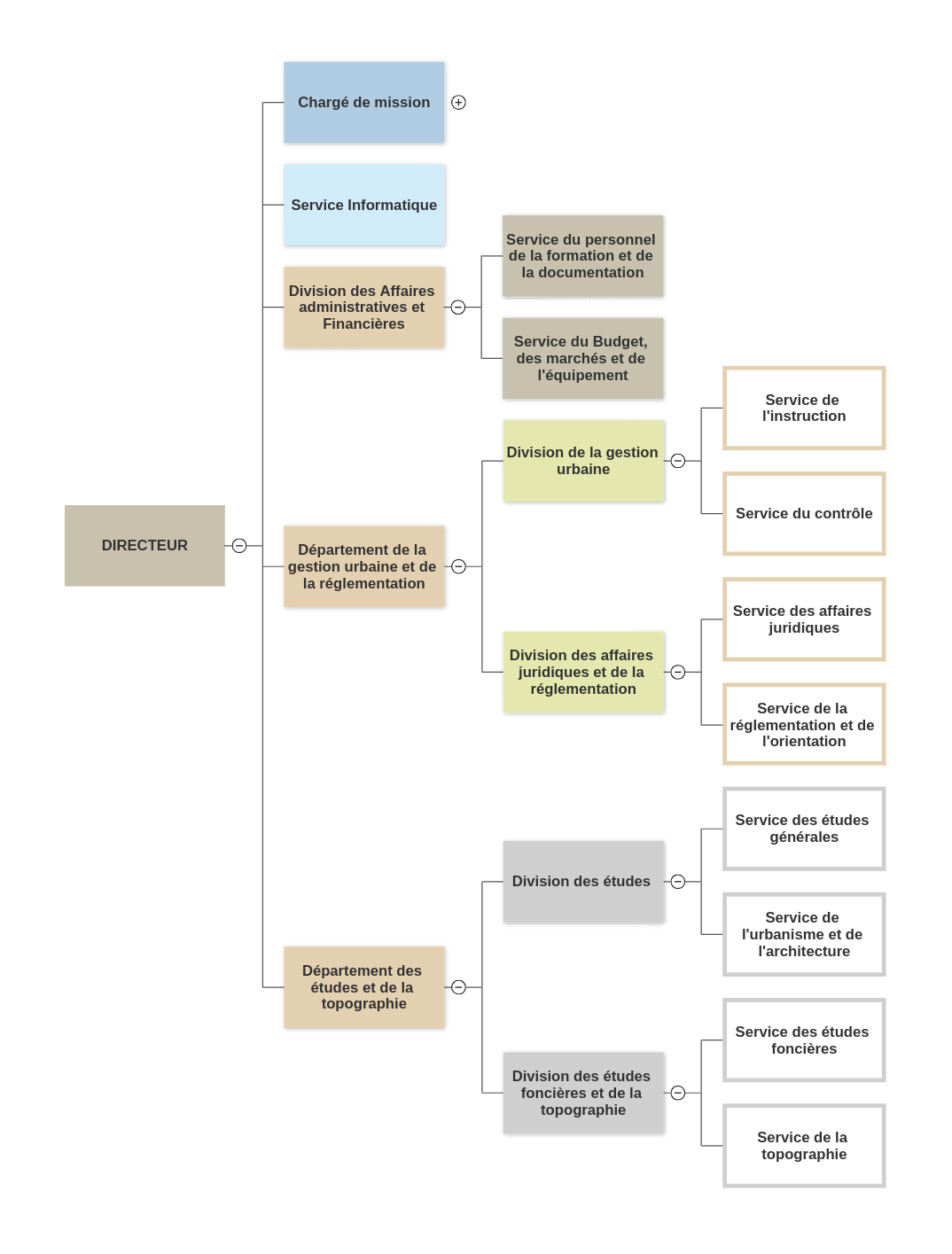
The Mission Officer is responsible for the following tasks:
The IT service has the following tasks:
The Administrative and Financial Affairs Division has the mission of managing human resources, supervising and training staff, centralizing documentation, and preparing and managing the budget.
This Division comprises two services:
Its mission is to carry out studies related to urban planning, architecture and topography, and to collect and communicate information relating to the urban development of the area of intervention through various means (household surveys, etc.)
This department comprises 2 divisions:
The general studies service.
The urban planning and architecture service.
The objective of this service is to master the socio-economic conditions of local authorities, their developments, trends, constraints and prospects for their development.
Its mission is also to manage mobility, all movements and means of transport, whether existing or planned, and to monitor, in close collaboration with all stakeholders in the area of urban traffic and transport, the various operations relating to the improvement of the transport sector, namely:
Given the importance of the economic housing sector and its impact on other urban fabrics, this department must study the causes of its deterioration in order to arrive at targeted solutions.
Regarding regional planning, the main actions to be carried out are the following:
The main activity of this service concerns the programming and monitoring of the production of urban planning documents (Urban Development Master Plan, development plans, Rural Agglomeration Development Plan, etc.) and the periodic updating of the related data. It also handles:
Its mission is also to examine the study of architectural models, architectural heritage and its historical and cultural importance. It is also responsible for establishing a guiding document for the development of open spaces and the implementation of the major facilities structuring cities and centres.
Furthermore, this department is required to define and program the needs for community facilities and open spaces of local authorities, particularly with regard to:
This department's mission is to ensure the tasks of urban management and the control of construction activity, the development and application of regulations, standards and procedures in matters of urban management and planning. It is responsible for the popularization of legislative and regulatory texts.
This Department is composed of two divisions:
This division is responsible for processing all applications for permits to build, subdivide, parcel out, or create housing groups, and for documentary and on-site monitoring of compliance with the regulations of urban planning documents. It is required to take the necessary measures to streamline the procedures for processing files within very short deadlines.
The instruction service.
The control service.
This service is responsible for processing files relating to construction, subdivision, parcelling out, or the creation of housing groups. Its activity can be summarized as follows:
In addition to the work of examining and monitoring construction files, this department also has the role of assisting the municipalities in this field, and in this capacity, it is called upon to carry out the following activities:
This service is responsible for documentary and on-site monitoring of compliance with the regulations of urban planning documents (zoning plans, development plans, master plans, etc.) and for verifying the conformity of construction, subdivision, parcelling-out, and housing-group projects with the authorized plans, and it reports all infractions.
It is also responsible for scheduling site visits; it keeps an up-to-date programme in which it establishes an action strategy taking into account the worksites under construction or recently authorised, so that the Agency's field of action is covered on a permanent and periodic basis.
It is also responsible for analysing the nature of the offences observed, in the light of the legislative and regulatory provisions and the information gathered by the brigade. It verifies compliance with the procedure in this matter and notifies the official reports to the presidents of the communes and to the governors in order to initiate judicial proceedings against the offenders and take all necessary administrative measures, according to each case.
In terms of follow-up, the department is in constant contact with the local authorities and municipal services, in order to complete the violation files and ensure the follow-up of the judgments handed down by the courts, as well as their enforcement.
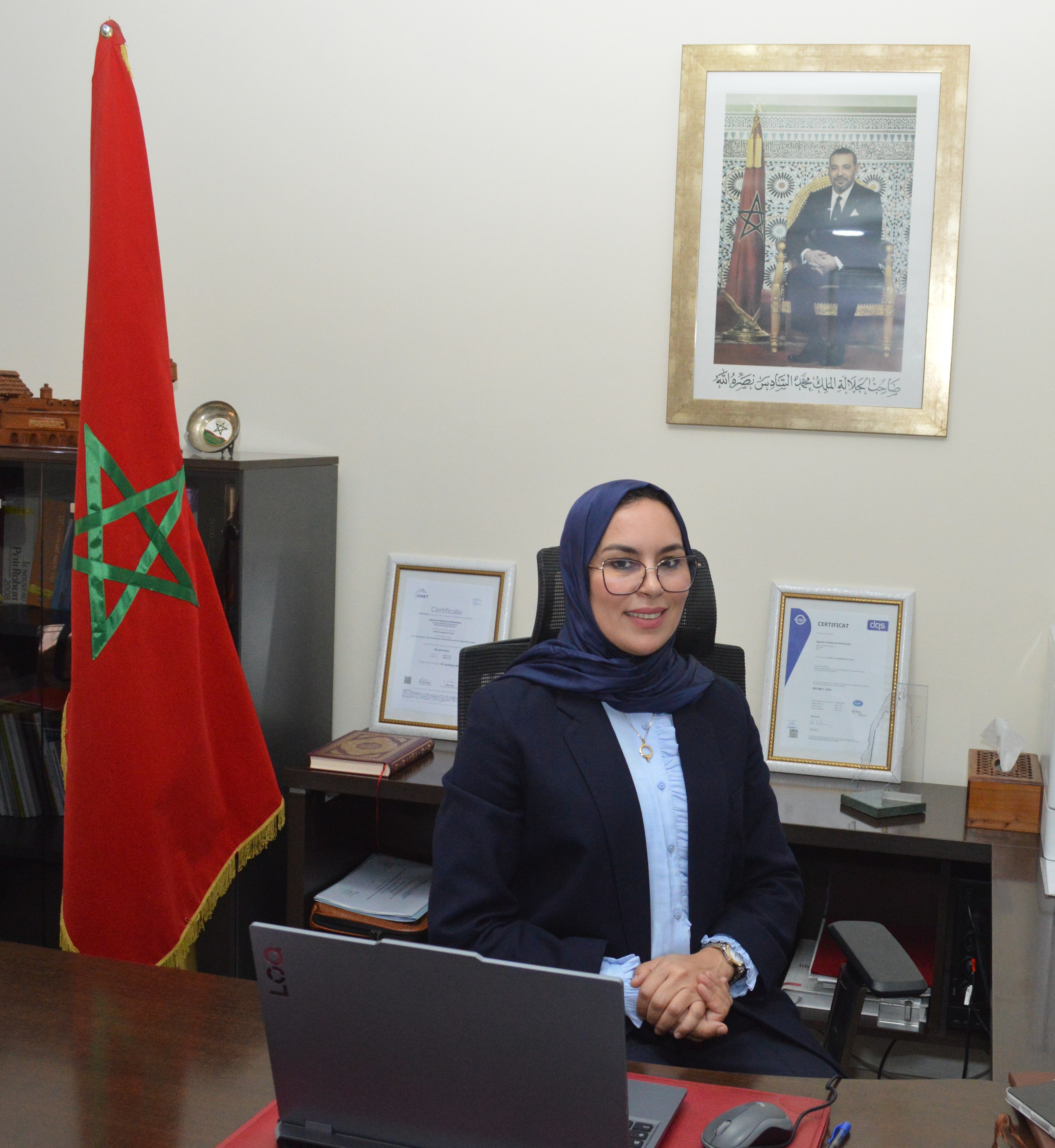
The urban agency today places its action at the heart of a renewed strategic vision, based on proximity, attentive listening to citizens and effective support for territorial dynamics. Aware of the profound changes affecting our territories, it is resolutely committed to a harmonious, sustainable and inclusive development, reconciling economic attractiveness, social cohesion and the preservation of resources.
To achieve this, its strategy, based on the royal guidelines and the strategies of the supervisory ministry, is structured around the following major axes:
| Proximity to and listening to citizens, through an open, accessible and responsive administration, fostering trust, transparency and clarity of procedures; | |
| The adoption of a renewed urban planning, based on sustainable development and territorial resilience frameworks; The Agency works towards the generalisation of territorial coverage by updated urban planning documents, the observation of territorial dynamics and the establishment of flexible and incentive-based operational planning tools, adapted to local realities; | |
| The promotion of architectural and landscape quality, as well as the enhancement of the built environment and the urban landscape, through the establishment of guidelines that contribute to the valorization of local identity and the improvement of citizens' living environment; | |
| The establishment of a favorable and incentivizing framework to encourage job-creating investment and to stimulate economic development; To this end, the Agency works to improve the business climate by adopting renewed urban management based on the simplification and acceleration of procedures, the transparency of decisions and the optimization of land use. |
It also works to reduce territorial disparities and combat rural exodus, simplify authorization procedures in rural areas, provide technical and architectural assistance, preserve agricultural land, as well as upgrade and support the development of the rural world and emerging centers.
Finally, the urban agency intends to modernize its administration, reform its procedures and promote a culture of performance and good governance, in order to provide citizens and investors with a quality public service that is more efficient, transparent and results-oriented.
Through this integrated strategy, the Urban Agency aims to sustainably improve citizens' living environment, to drive a dynamic of productive investment and to actively contribute to social and territorial cohesion. Faithful to its mission, it will pursue its efforts to support the transformation of our territories and to respond to the legitimate expectations of the various development stakeholders.